Wallets
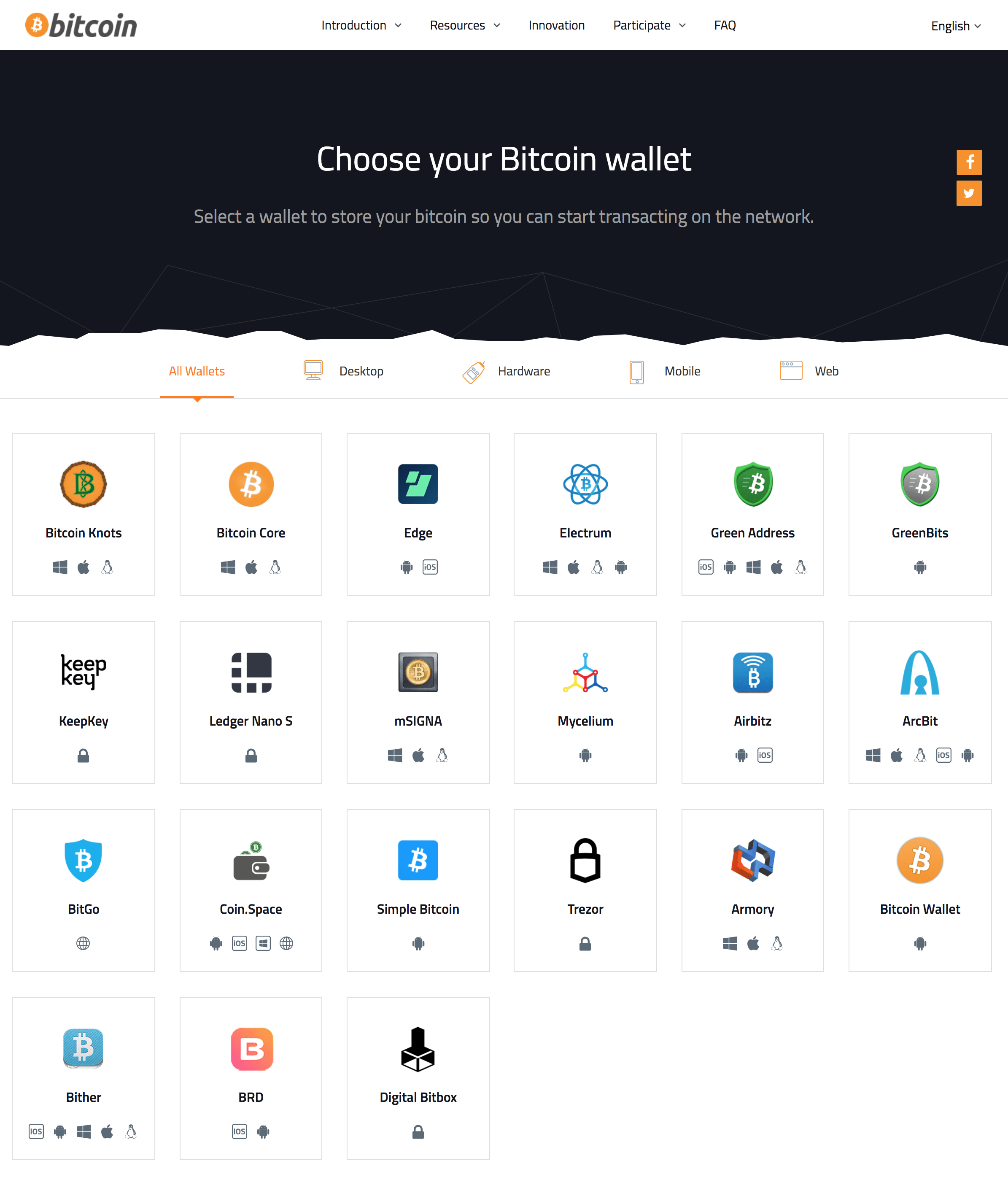
Bitcoin.org
One of the first things users need to do is to choose, install and set up a wallet. Users might expect there to be one official wallet they can trust and that will work across their devices, just like they would with other software. Since Bitcoin is an open-source project, so there are no barriers for anyone to start building their own wallet.
Bitcoin.org presents a grid 21 different wallets to users - with little guidance on how to make a choice. This is somewhat intentional, since the website needs to stay neutral in the spirit of open-source and decentralization. But it still poses a problem for new users. They will put real money into a system they have never used before and are anxious to start things off well.
Looking at other cryptocurrencies, there is another factor in play. Many projects are forks, which means they took the codebase of another project to start their own. The result is that the wallet may look like the wallet of the project they forked from, with minor modifications (like logo and color palette). This is great on the one hand, since it allows development teams to quickly kickstart their work. It also means that existing design issues spread, and wallets sometimes look a bit thrown together. It's also important to recognize that many projects are young and the software will quickly evolve and improve. What you see now is likely to be a work in progress.
Another factor is that having a wallet is useless if you don't own any cryptocurrency. That's why many users are recommended to start with wallets that supports purchases via fiat money (like Coinbase).

Bitcoin Core, V 0.16.2, July 29, 2018
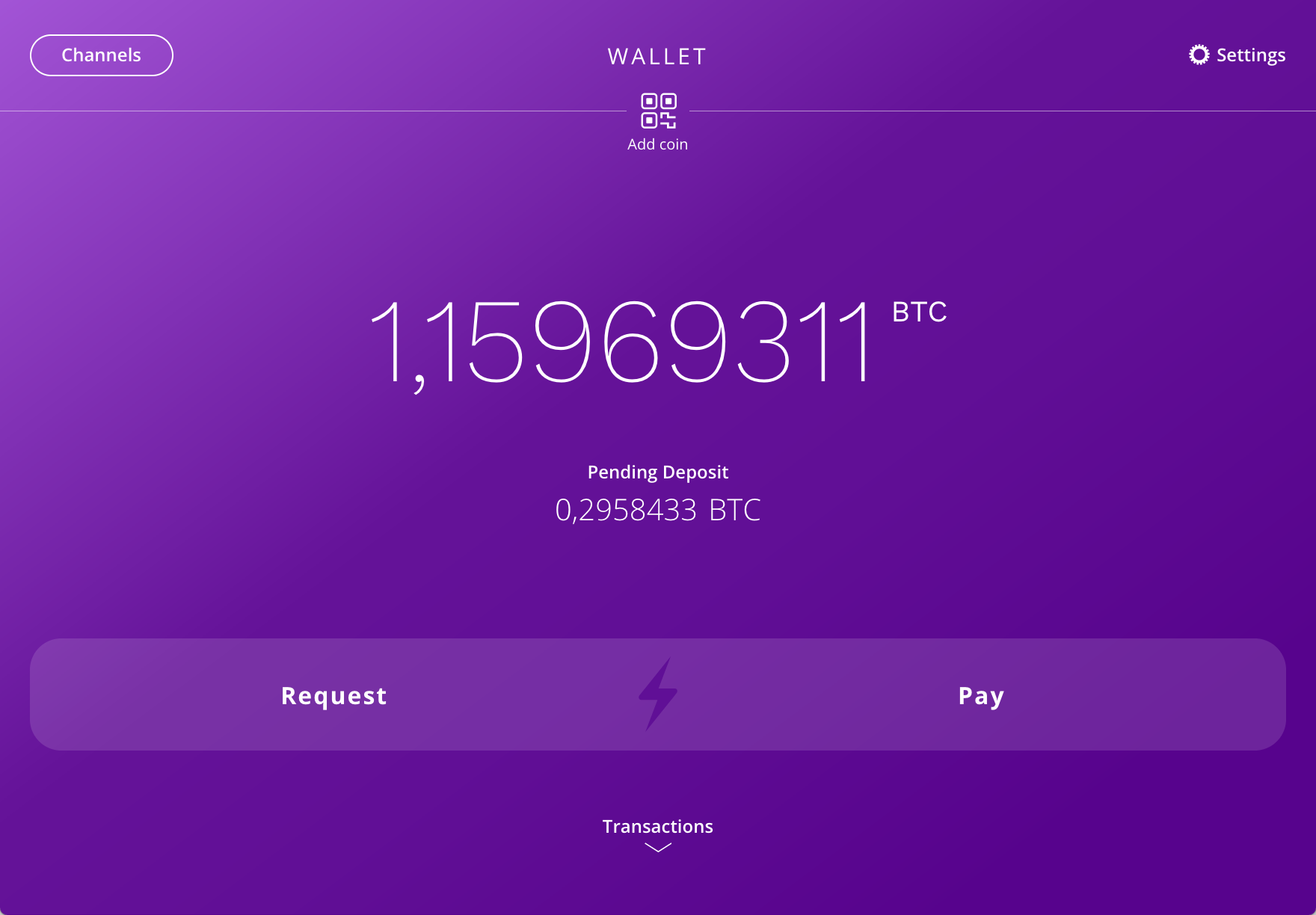
Lightning wallet
Basic functionality
The core of each wallet is about sending and receiving money. To support this, there also needs to be basic settings, security and address management. Since this is core functionality, check the respective sections for more elaborate information.
Even if a project has a web wallet, mobile wallet and desktop wallet, this is the functionality that's usually consistent across all of them.
Advanced functionality
Beyond the basics, the features you find in different wallets are based on the particular functionality and use cases of each project, as well as device capabilities (for example, a smartphone can't run a full node usually). Here are a few common ones:
Mining
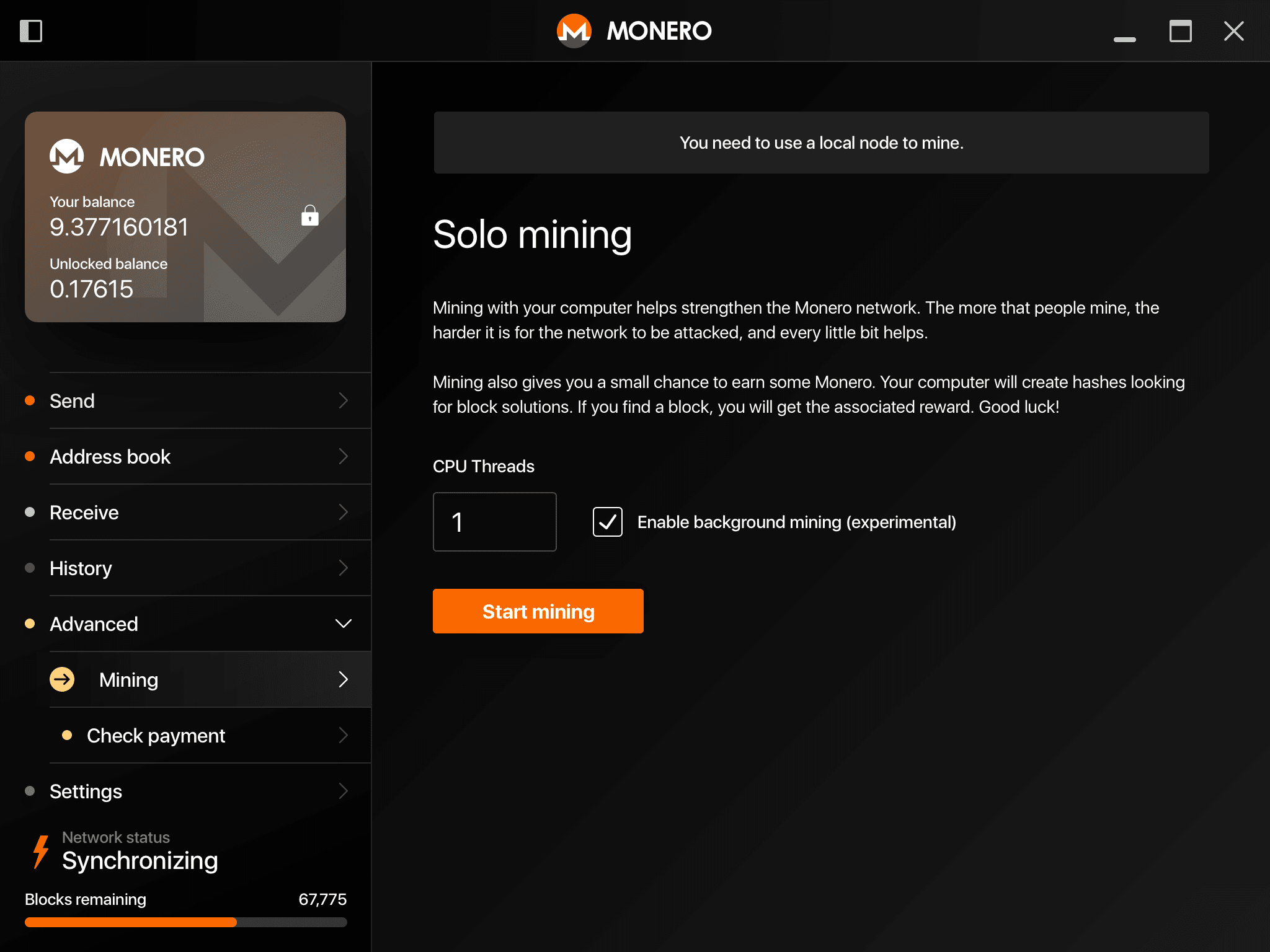
Mining is about running software that helps process transactions in the network. The Monero desktop wallet, for example, has a one-click mining feature. This not only allows users to make a little money, but by making the functionality widely accessible, it helps decentralize and strengthen the network.
Staking
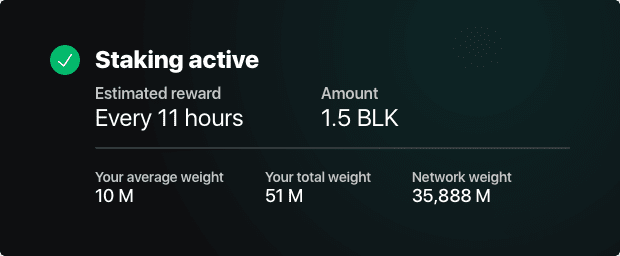
Proof-of-stake projects allow users to earn interest on their coins by having wallets online 24/7 to contribute to the network. Unlike mining, this does not require extensive computing power, but it does require having an investment. The interest earned is usually proportional to the amount held (in mining, it's proportional to how much computing power you provide). Staking typically happens automatically and does not need a complex UI around it. The most important information is whether staking is active, and how often rewards are likely to be received (which is not a fixed schedule, but an estimate).
Masternodes

Masternodes are one level-up of staking (more in the Wikipedia article about Dash). They are also wallets that are online 24/7 to participate in the network, but have fixed requirements for the amount of money held (for example, Dash requires a collateral of 1,000 coins). This is a higher commitment than staking but also typically earns a higher interest. Masternodes have a more complex setup and are many times hosted on third-party servers and remotely controlled via wallets users run on their own devices. So while the UI demands are a little higher, the user is likely to be more technically proficient.
More to come
Signing messages, smart contracts, hardware wallet integration, and various other functionality can be found in some wallets. I will add more details on the most important ones over time. Stay tuned.
Types of wallets
Selecting the right type of wallet for your needs requires understanding the trade-off between security and accessibility made by different types of wallets. All wallets incorporate basic functionality, but different types offer different features that expand the utility of a wallet. Choosing a more secure wallet takes a higher level of technical understanding and more time to set up the security features, whereas other wallets are much easier to use but don't offer the same level of security.
The following list defines different types of wallets from the most secure and least accessible to the least secure and most accessible:
Paper wallets
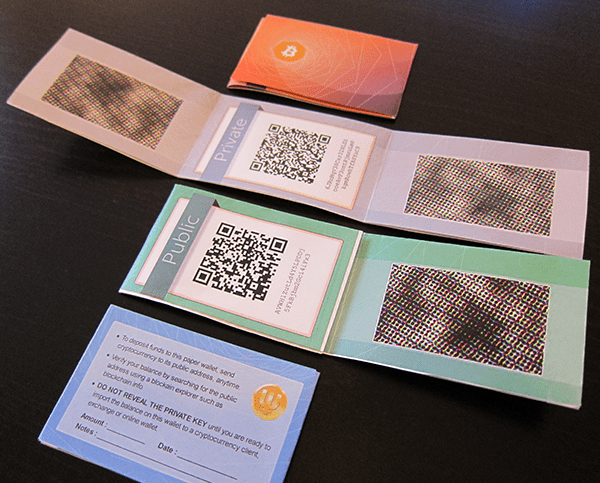
Walletgenerator.net
The safest backup is a paper wallet. It can simply be your wallet seed written on a piece of paper, or a nicely printed template. The biggest advantage is that a paper wallet cannot be hacked (although it can still be stolen).
This is another aspect of cryptocurrencies that is not obvious to many. Wallet seeds can be created by computers that have never been online. Money can be sent to wallet addresses, without the wallet having ever been connected to (or registered with) the network.
Paper wallets deliberately avoid advanced functions because the point of a paper wallet is to keep things simple to avoid creating opportunities for penetration.
So as backwards as it may sound for a digital currency, printing the seed and filing the paper away is a great security practice.
Popular paper wallets include:
Hardware wallets
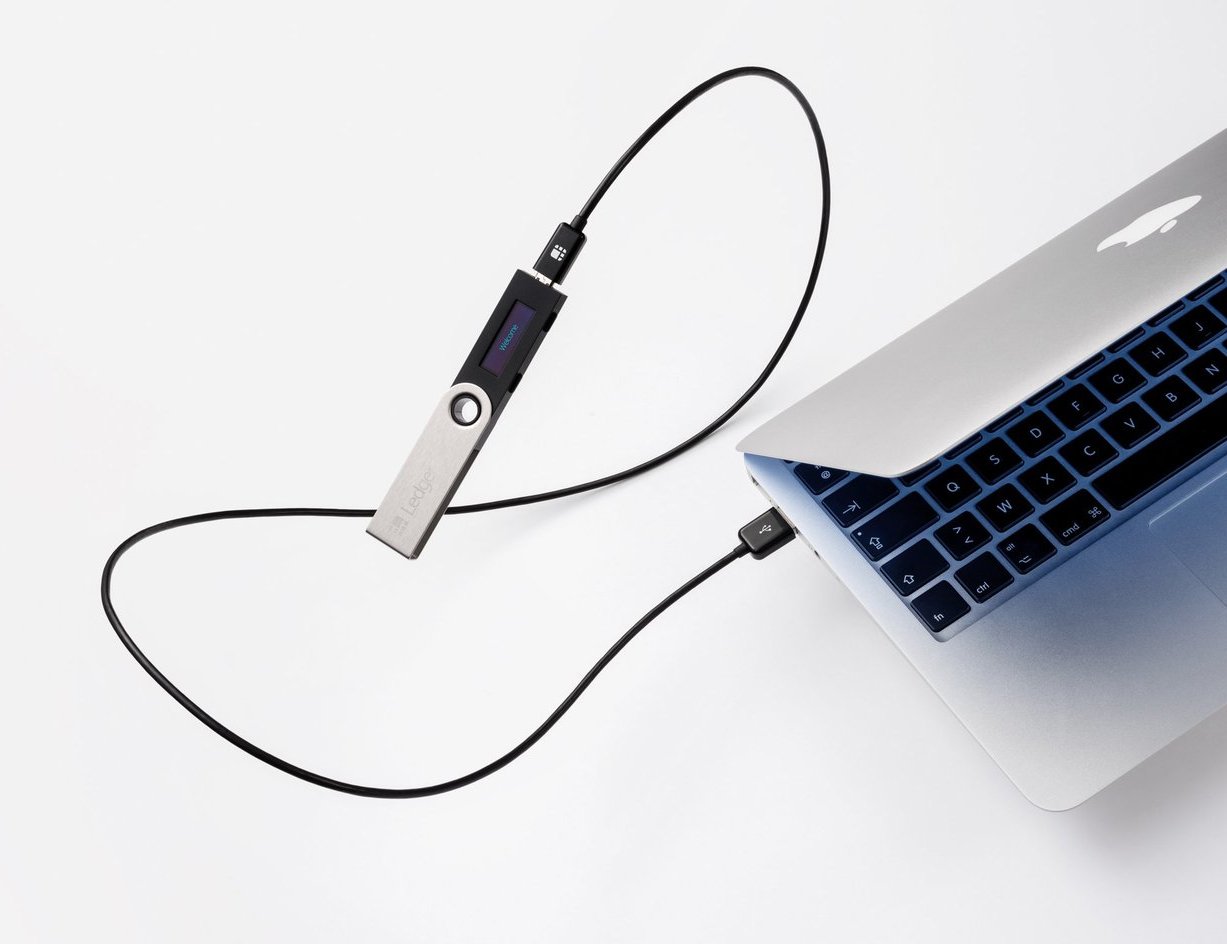
ledger.com
Hardware wallets are the most popular option for storing digital assets that do not need to be readily accessible. Using a hardware wallet requires less technical understanding than paper wallets and the interface tends to be more user-friendly.
A hardware wallet consists of a USB drive or other small device that connects to your computer. Money can be sent to and from the wallet without the portion of memory where the assets are stored ever connecting to (or registering with) the network. When hardware wallets incorporate advanced features, they tend to focus on security rather than exposing unique features of the assets being held. So a wallet may offer features such as signing policies that control what wallets a user can send and receive assets from or how much cryptocurrency can be sent at a time, rather than features around mining and staking.
The main security issues with hardware wallets lie in the potential for them to be tampered with before reaching the user and having a hardware device get lost or stolen. Never purchase a used hardware wallet; order a reputable device directly from the manufacturer or a certified retailer and always store the wallet in a safe location.
Popular hardware wallets include:
Web and desktop wallets
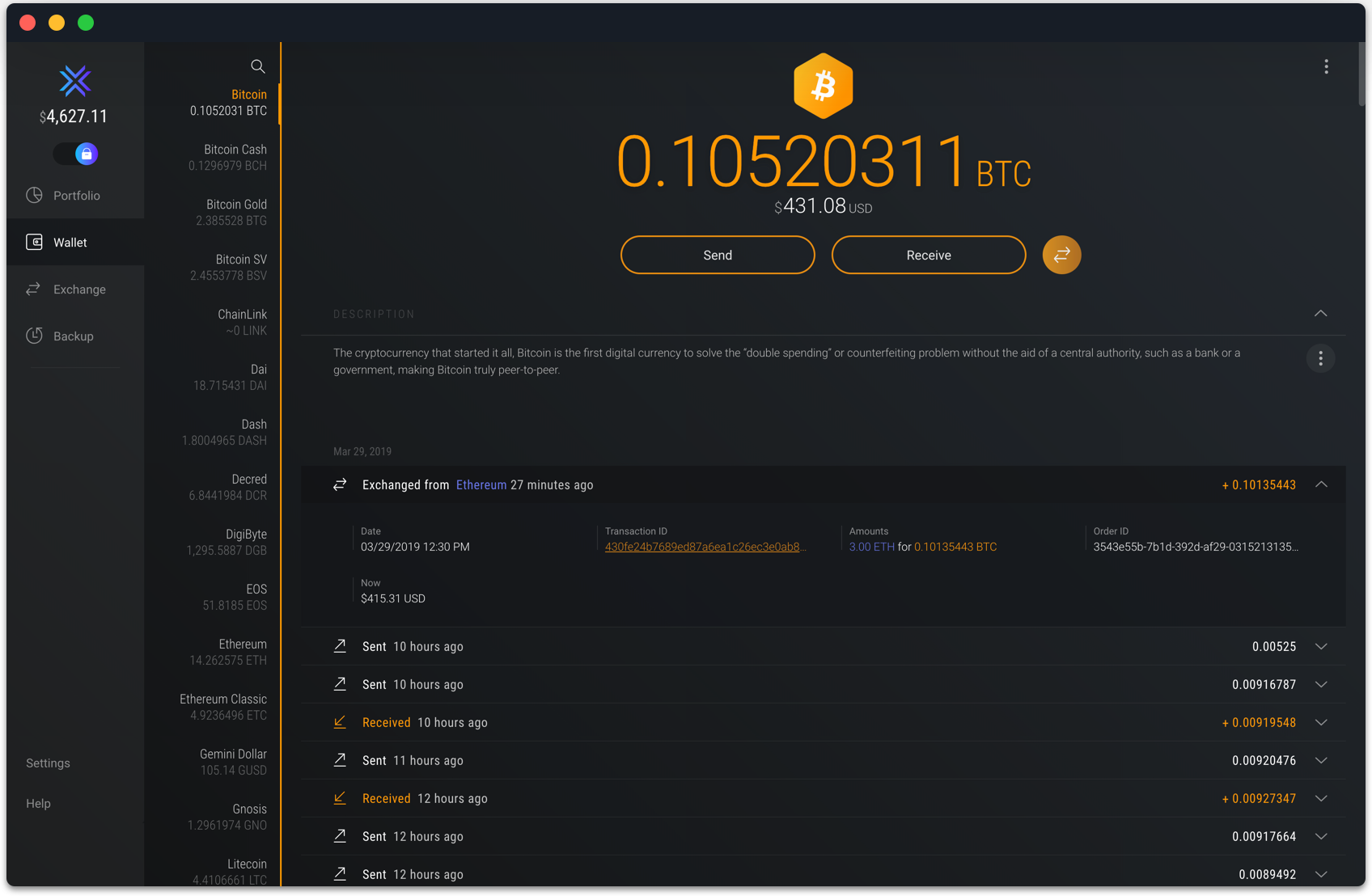
exodus.io
Web and desktop wallets take the form of websites, browser extensions, and downloadable software. Most web and desktop wallets will guide users through the process of creating a wallet and provide options for backing up the wallet.
Web and desktop wallets are considered a form of "hot storage" because the private key will be exposed to the internet when the wallet is being created.
Hot storage is less secure than cold storage but provides greater accessibility. This is often useful for developers who frequently use digital assets in the course of programming blockchain applications like dApps and smart contracts. Web and desktop wallets also tend to be the go-to for advanced functions that give users the ability to mine cryptocurrency, stake tokens, vote on masternodes, or sign transactions that interact with smart contracts.
Popular web and desktop wallets include:
Mobile wallets
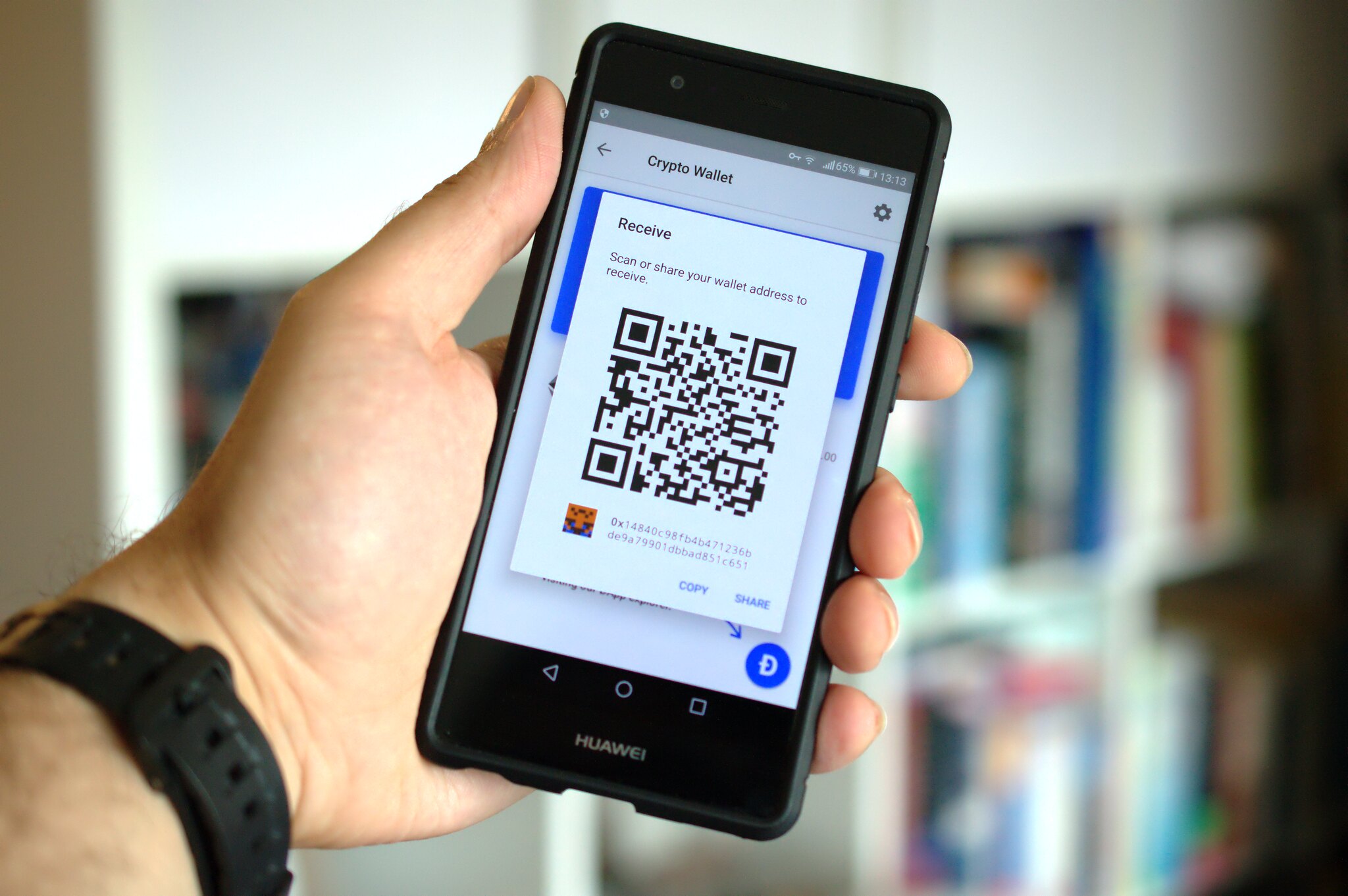
opera.com
The easiest way to use cryptocurrency on-the-go is with a mobile wallet. Mobile wallets come as an app that can be downloaded to your smart phone.
In the same way that many people keep small amounts of cash in their wallet while storing larger amounts in a checking or savings account, individuals use mobile wallets to keep small amounts of cryptocurrency for day-to-day use while storing the majority of their assets in paper or hardware wallets.
Mobile wallets may incorporate advanced functions depending on the assets maintained by a wallet. For example, Tron relies on masternodes to secure the network so mobile wallets for Tron often allow users to vote for masternodes in the application. Other wallets may feature staking, mining, and the ability to interact with smart contracts.
Popular mobile wallets include: